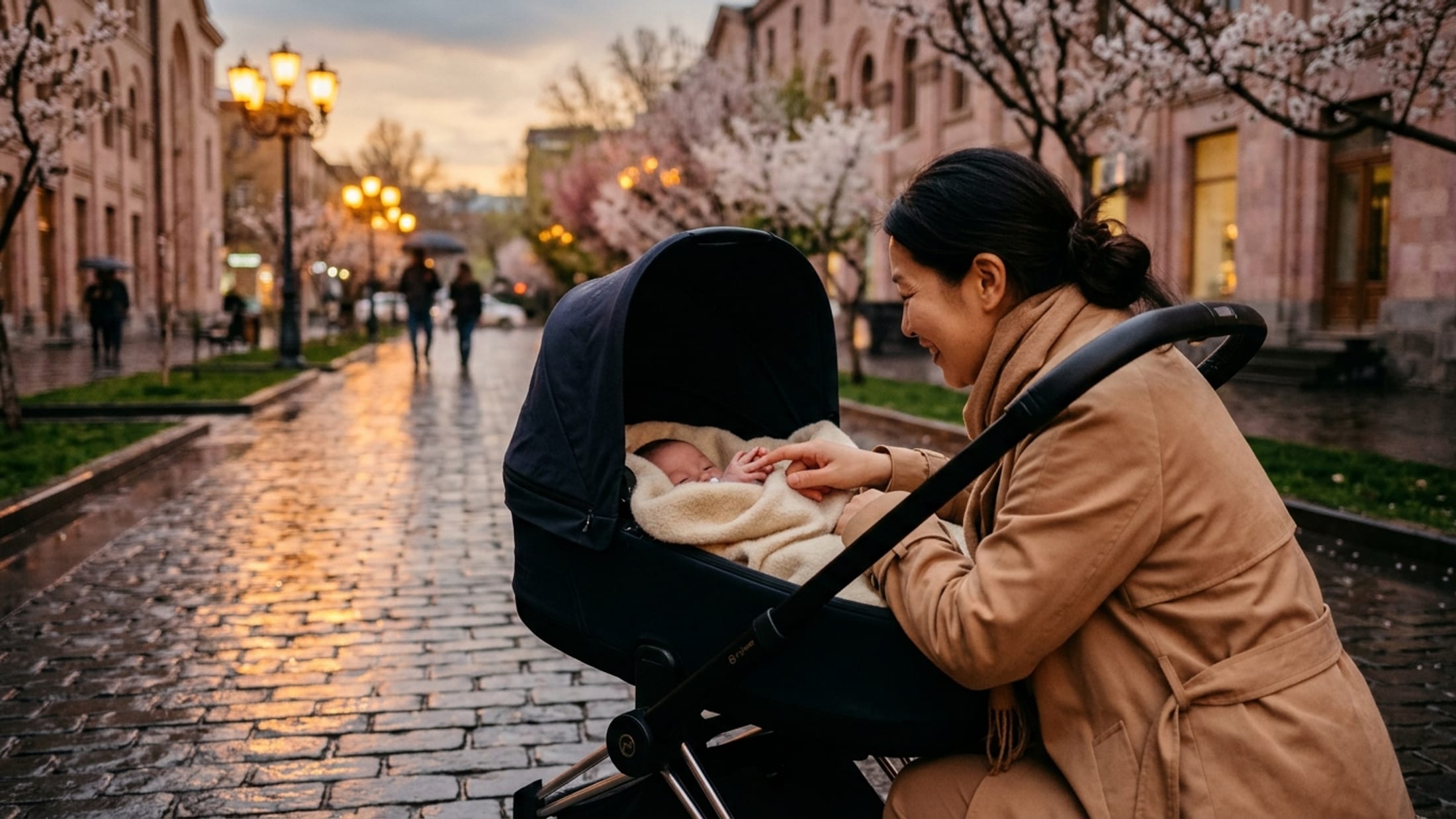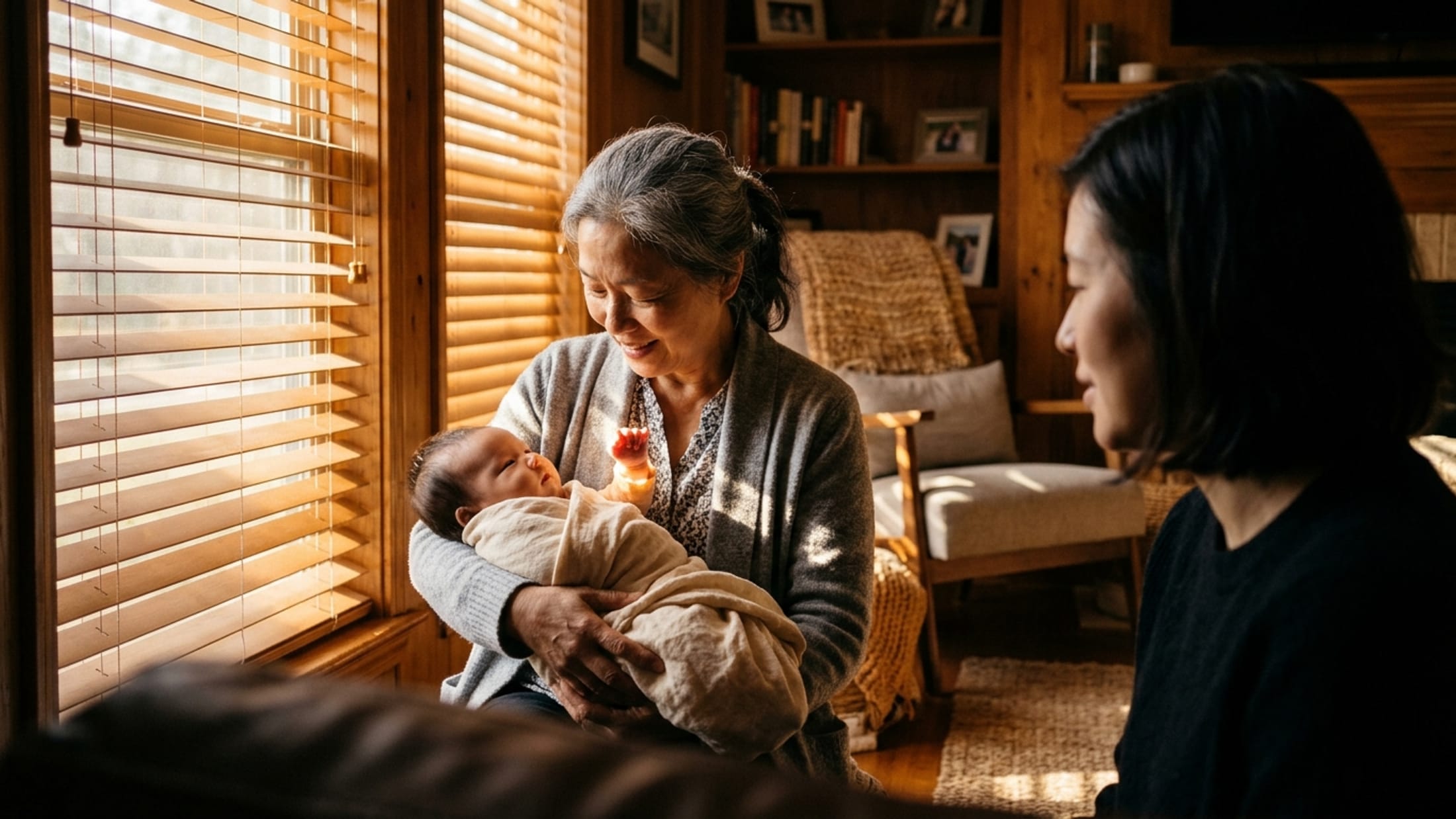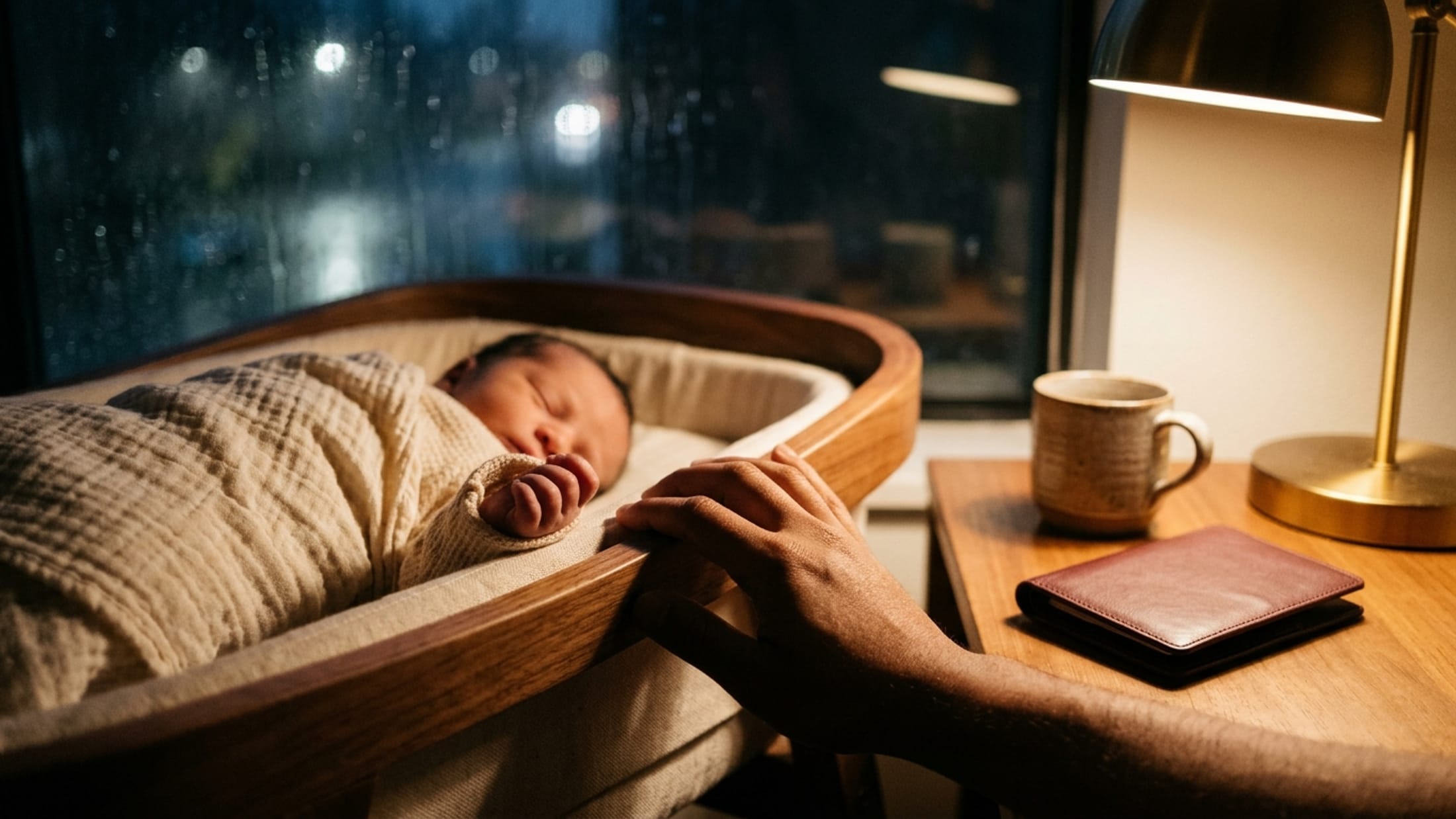
Characters and events in this piece are composite illustrations drawn from typical cross-border journeys; all names are pseudonyms.
Setting the ultrasound probe back in its cradle, the reproductive endocrinologist in San Jose handed Zhiyao two paper towels and said gently that her lining had stalled at 5.2 millimetres again. She was thirty-nine. Four years of three egg retrievals and two hysteroscopic surgeries for intrauterine adhesions had left exactly two euploid blastocysts frozen in liquid nitrogen: one 4AA, one 4BB.
Stuck in southbound traffic on Highway 101, her husband Mu kept both hands on the wheel until their exit ramp appeared. "Let's stop putting your body through it," he said. "Let's save these two."
When close relatives heard they were turning to surrogacy abroad, the well-meaning replies sounded identical: how lucky to skip ten months of morning sickness and back pain. Zhiyao smiled and changed the subject every time. She still crossed the street to avoid maternity-wear windows — not out of resentment, only the quiet ache of feeling like a spectator to her own child's arrival.
Five days and four hours on the logger
Before matching, the first real terror was moving two microscopic embryos from Northern California to Yerevan.
Zhiyao had spent months reading IVF boards late at night. Experienced embryologists insisted dry shippers almost never warm up mid-air; the real disasters happened on paper — mismatched vitrification warming kits between labs, or a missing health-ministry import permit leaving a canister sitting in airport customs. Those two straws held everything she had between ages thirty-five and thirty-nine. There would be no fourth retrieval.
For three weeks after signing, the coordinator did not rush them through surrogate profiles. Instead she connected the California embryology lab, the Yerevan receiving clinic, and the medical cryo-courier to match every technical line: media manufacturer, dual-witness straw IDs, and a fourteen-day liquid-nitrogen hold window. Only when the airway bill arrived with the internal temperature-logger serial number did Zhiyao sleep past five in the morning.
For five days and four hours she refreshed the tracking portal twice a day — San Francisco to Frankfurt, customs clearance in Yerevan, hand-to-hand delivery into the clinic's cryo room. When the signed intake sheet came back, the logger graph ran flat around minus 194 degrees Celsius from start to finish.
Watching through glass, eleven hours behind
The first transfer worked. Yet having a pregnancy unfold inside another woman's body eleven time zones away felt weightless in a way nobody had warned her about.
After each prenatal visit, the coordinator sent a plain-language translation of the Armenian chart alongside a fifteen-second clip of the heartbeat monitor. Sitting in the dark in San Jose with earphones in, Zhiyao listened to the rapid thrum, exhaled, and then stared at the cervical-length measurement in the corner of the frame. Afraid of crowding the surrogate, she only ever asked the coordinator to pass along small practical notes — take a taxi whenever the pavement iced over, put every receipt on the allowance.
At thirty-two weeks, logistics closed in. Mu worked as a chip architect, and both of them had pending I-485 green card applications. Zhiyao's Advance Parole card had arrived in the mail; Mu's remained stuck in adjudication, and the visa stamp in his passport had expired. During their very first status check months earlier, their immigration lawyer had flagged the rule clearly: if Mu stepped onto an international flight before parole approval, his green card filing would be treated as abandoned.
At thirty-six weeks and four days, twenty-four days ahead of the due date, the surrogate's water broke at dusk in Yerevan.
Mu zipped Zhiyao's suitcase in the hallway, tucked the notarised originals into her backpack, and drove her to SFO. Watching the ninety-minute Istanbul layover window on her phone kept her mind too busy for panic.
Glare on his glasses at 3 a.m.
She reached the maternity ward three hours after delivery. Their daughter weighed five pounds nine ounces and needed no incubator. Waiting outside the door, the coordinator and local interpreter handed Zhiyao a thermos of broth and the hospital birth record.
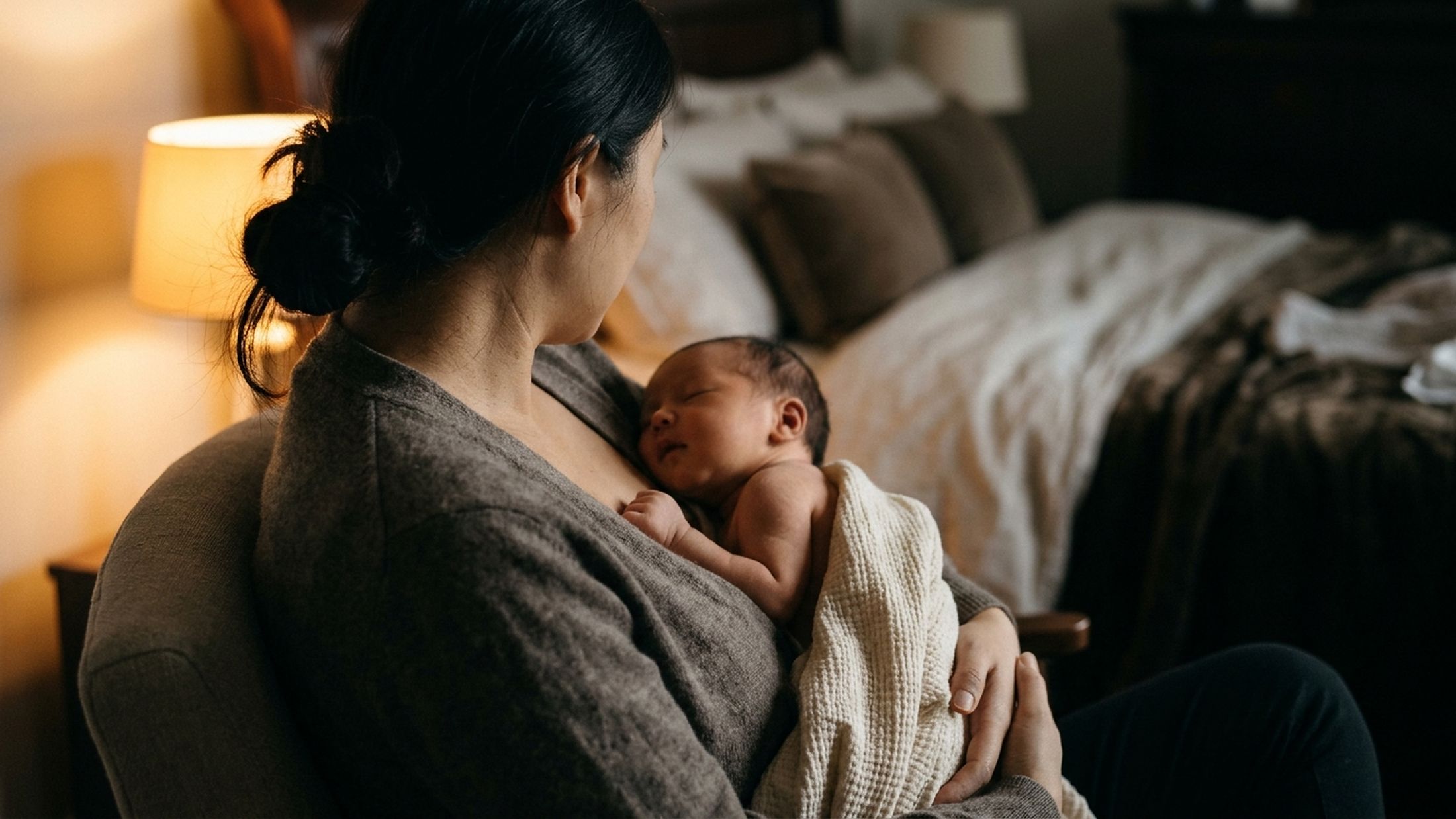
A nurse guided her into the armchair by the window, helped her unbutton the top of her cashmere cardigan, and laid the warm newborn in nothing but a diaper directly against her collarbone. The baby fussed once, settled her cheek against Zhiyao's chest, and pressed one tiny heel into the rib just below her heart.
It was the kick Zhiyao had spent four years believing she would never feel. Propped on the side table, her phone glowed with a silent video call to San Jose at three in the morning — Mu leaning close to his desk lamp, saying nothing at all, both lenses of his glasses white with light. Following the plan their immigration lawyer had mapped months earlier, Zhiyao would spend the next three weeks obtaining their daughter's PRC passport in Yerevan, secure an H-4 dependent visa anchored to Mu's valid domestic H-1B approval notice, and fly home to SFO on her own Advance Parole card.
Disclaimer: this article is general information and not legal or medical advice. Before making any decision on the legal matters discussed, consult a licensed attorney in the relevant jurisdiction; for medical matters, consult a physician.