Characters and events in this piece are composite illustrations drawn from typical cross-border journeys; all names are pseudonyms.
In her kitchen in Wuhan, He Lan's mother scrubbed her hands twice and filled the saliva-collection tube bound for a genetics reference lab in the United States without telling her husband. Diagnosed with autosomal dominant polycystic kidney disease and placed on home peritoneal dialysis at fifty-two, she flinched whenever anyone said the word "inherited" aloud.
Living in Houston — Zhou Lin working as a pharma biostatistician on an O-1 visa, He Lan designing architectural lighting on O-3 — they had learned four years earlier that He Lan had not escaped the coin toss: renal ultrasound showed bilateral cortical cysts, confirmed as a pathogenic PKD1 mutation.
Joint nephrology and maternal-fetal medicine consults drew two firm lines. Conceiving naturally carried a fifty-percent chance of passing the mutation straight to their child; and even with a screened embryo, the blood-volume surge and blood-pressure strain of pregnancy risked accelerating irreversible decline in He Lan's own kidney function.
Ten weeks for a custom probe, seven embryos down to two
Unlike standard chromosomal screening, preimplantation genetic testing for a monogenic disorder (PGT-M) requires saliva or blood DNA from both spouses and an affected parent so geneticists can map flanking linkage markers into a custom family probe. Building and validating that probe alone took ten weeks.
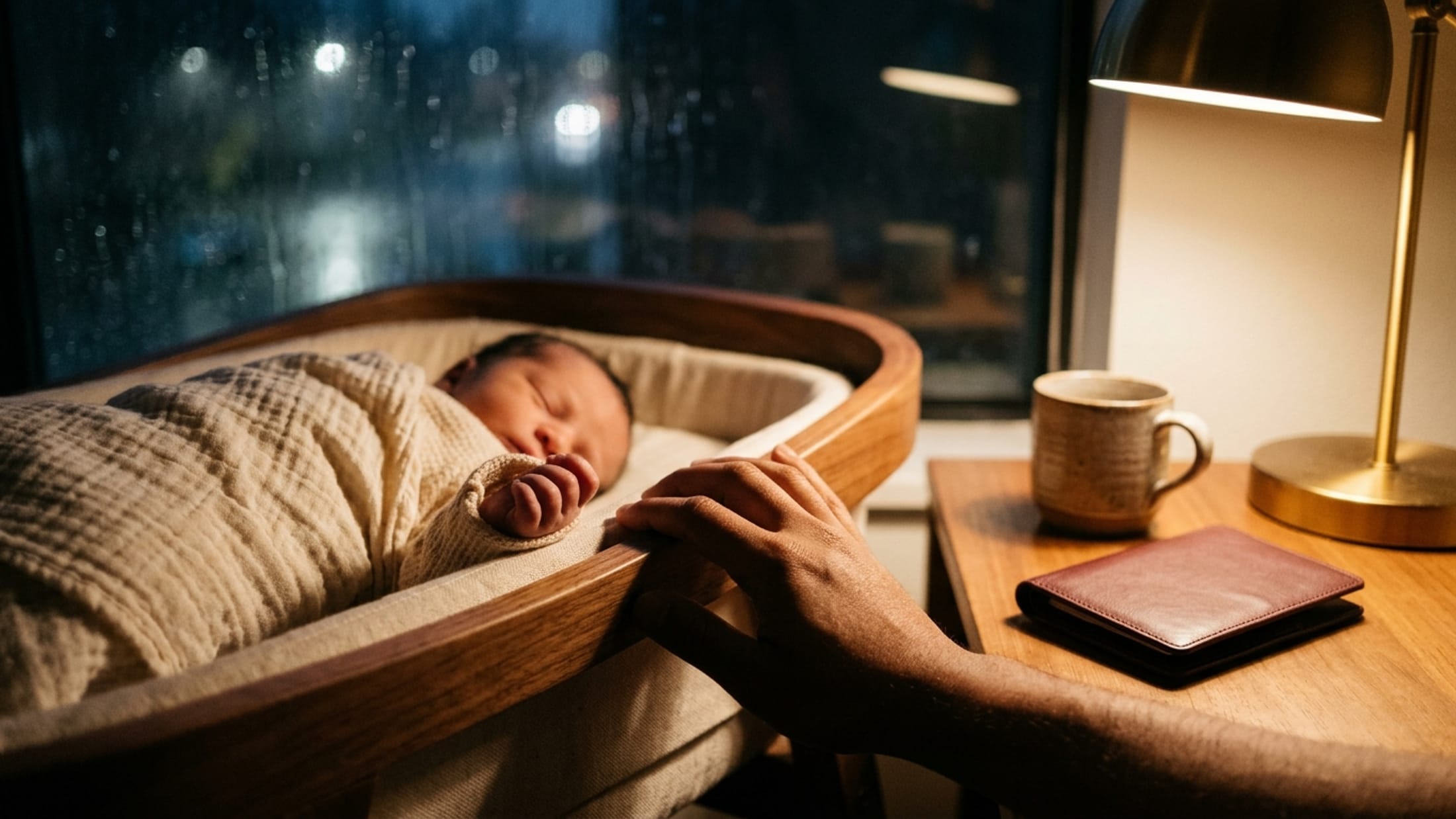
From her retrieval cycle came seven blastocysts. As a biostatistician, Zhou Lin knew better than anyone how unforgiving independent probabilities are when multiplied: lose roughly half to the dominant PKD1 allele, lose another fraction to chromosomal aneuploidy, and seven can easily shrink to zero. When the encrypted lab PDF arrived on a Friday evening, He Lan shut herself in the bathroom until Zhou Lin knocked softly on the door — two embryos at the bottom of the sheet read unaffected euploid: one 4AB, one 4BB.
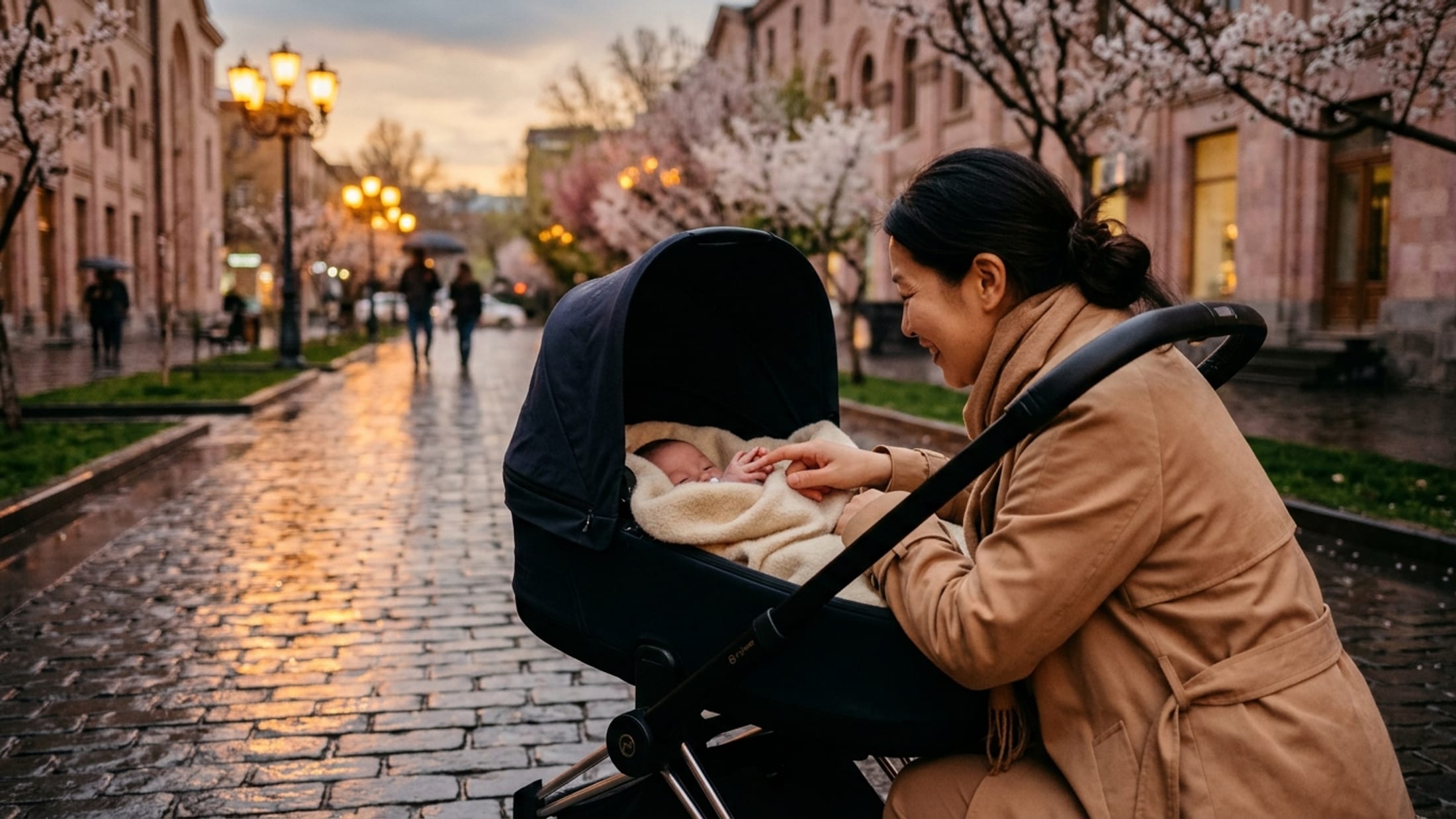
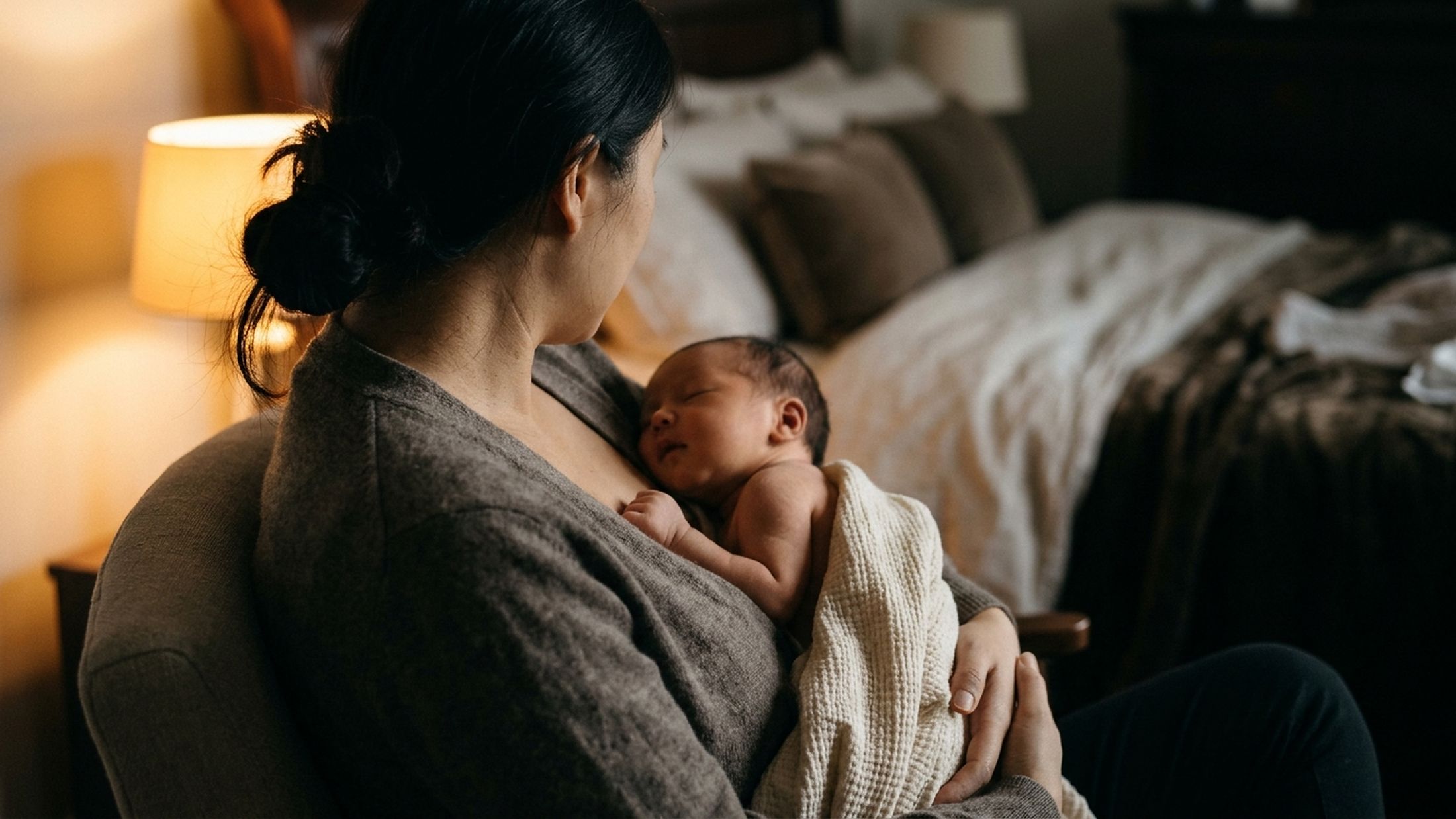
Shipped in liquid nitrogen to Yerevan, the 4AB blastocyst implanted on the first transfer. After a full-term delivery, their daughter received a PRC Ordinary Passport in Yerevan, stopped in Wuhan to visit her grandparents while picking up her O-3 dependent visa, and landed home in Houston, with He Lan's kidneys spared the strain of pregnancy.
Slats of afternoon sun
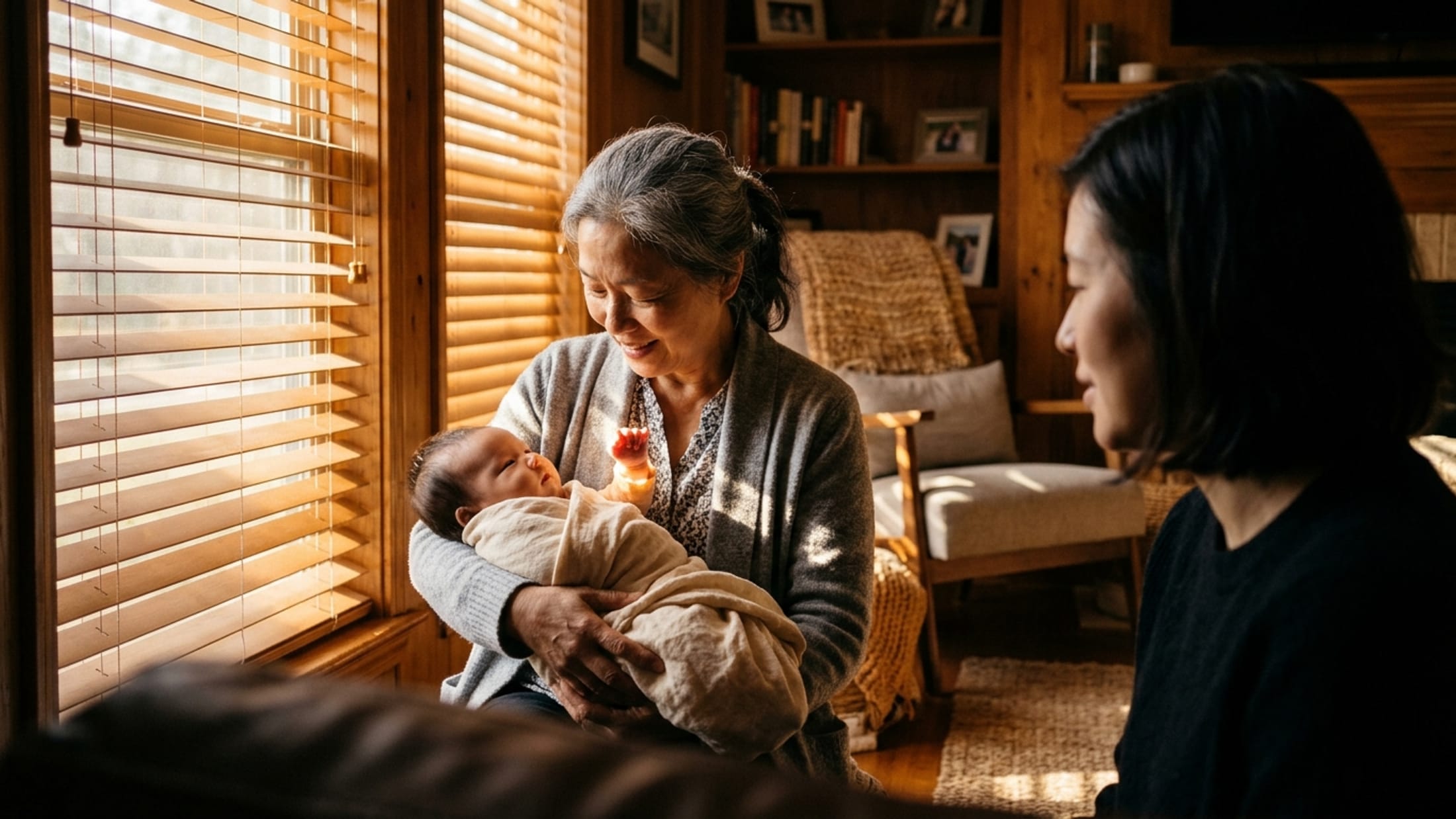
When the baby turned two months old, He Lan's mother was stable enough to fly from Wuhan to Texas for the summer, one half of her suitcase packed with sterile dialysis caps and a digital scale, the other half with hand-washed cotton infant vests.
At four o'clock on a Sunday afternoon, after finishing her afternoon exchange in the guest room and washing her hands twice, the older woman lifted her waking granddaughter into her arms near the window. Slats of golden Houston sunlight fell through wooden Venetian blinds across the rug; as the baby raised a tiny clenched fist into a beam of floating dust motes, her grandmother squinted warmly and murmured, "Long fingers — just like yours." Nobody in the room added a word, or mentioned a genetics chart again.
Disclaimer: this article is general information and not legal or medical advice. Before making any decision on the legal matters discussed, consult a licensed attorney in the relevant jurisdiction; for medical matters, consult a physician.